22 Feb 2026 Attraction
![[HERO] The Foodie's Guide to Sardinia: 5 Local Dishes You Must Try in 2027](https://cdn.marblism.com/IhG68Q-6DVL.webp)
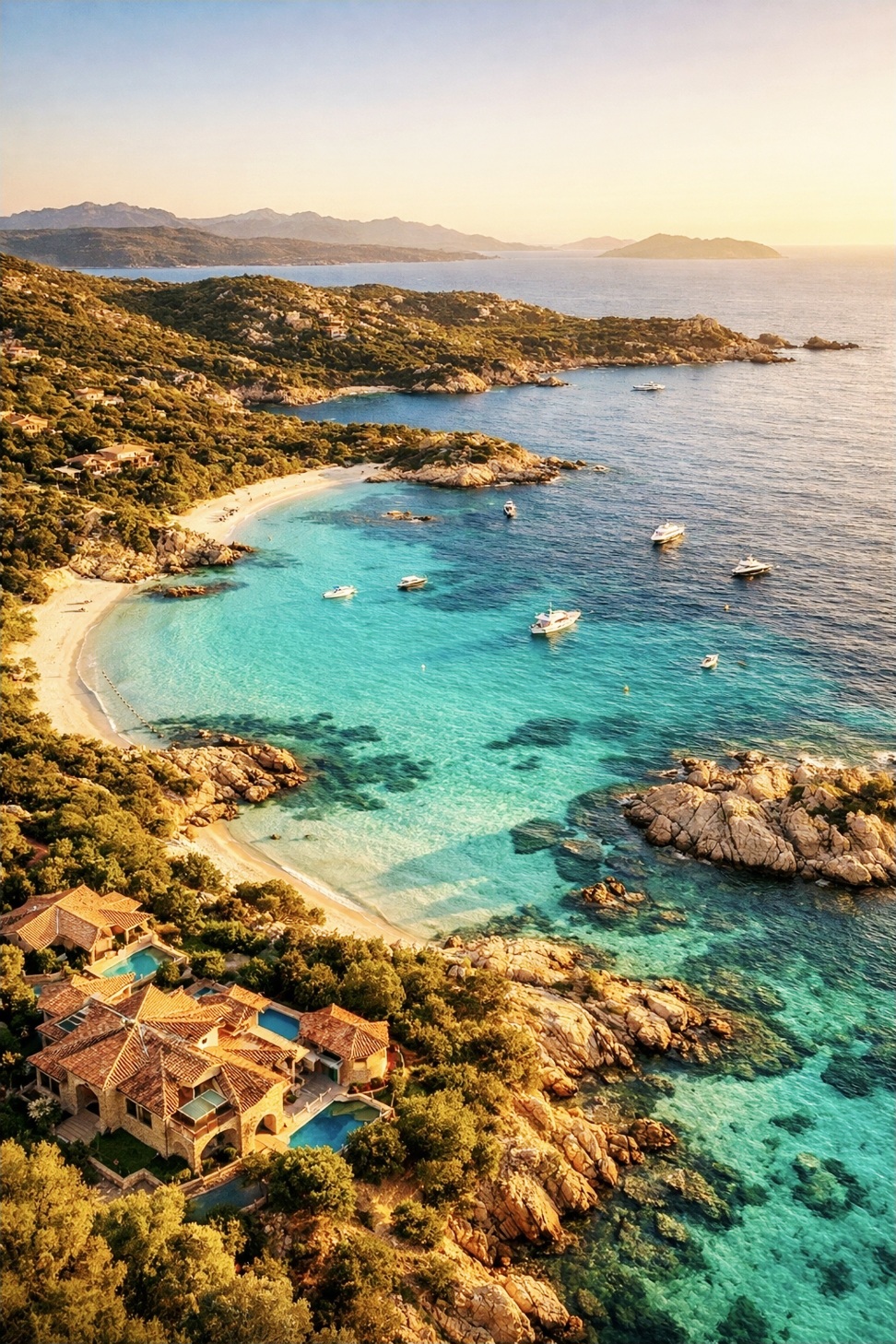
Let's get something straight: Sardinia isn't just another pretty Mediterranean island with turquoise water and Instagram-worthy beaches. It's a culinary powerhouse that'll completely rewrite your idea of Italian food. Forget what you think you know about pasta and pizza, Sardinian cuisine is in a league of its own, shaped by centuries of shepherding culture, coastal living, and fierce independence from mainland Italy.
If you're planning a 2027 trip to Sardinia, you're not just booking a holiday, you're signing up for one of the best food adventures in Europe. And here's the insider move: rent a villa with a proper kitchen. Why? Because half the magic of Sardinian food culture happens in local markets, family-run delis, and tiny shops where nonnas will sell you handmade pasta and tell you exactly how their grandmother made it.
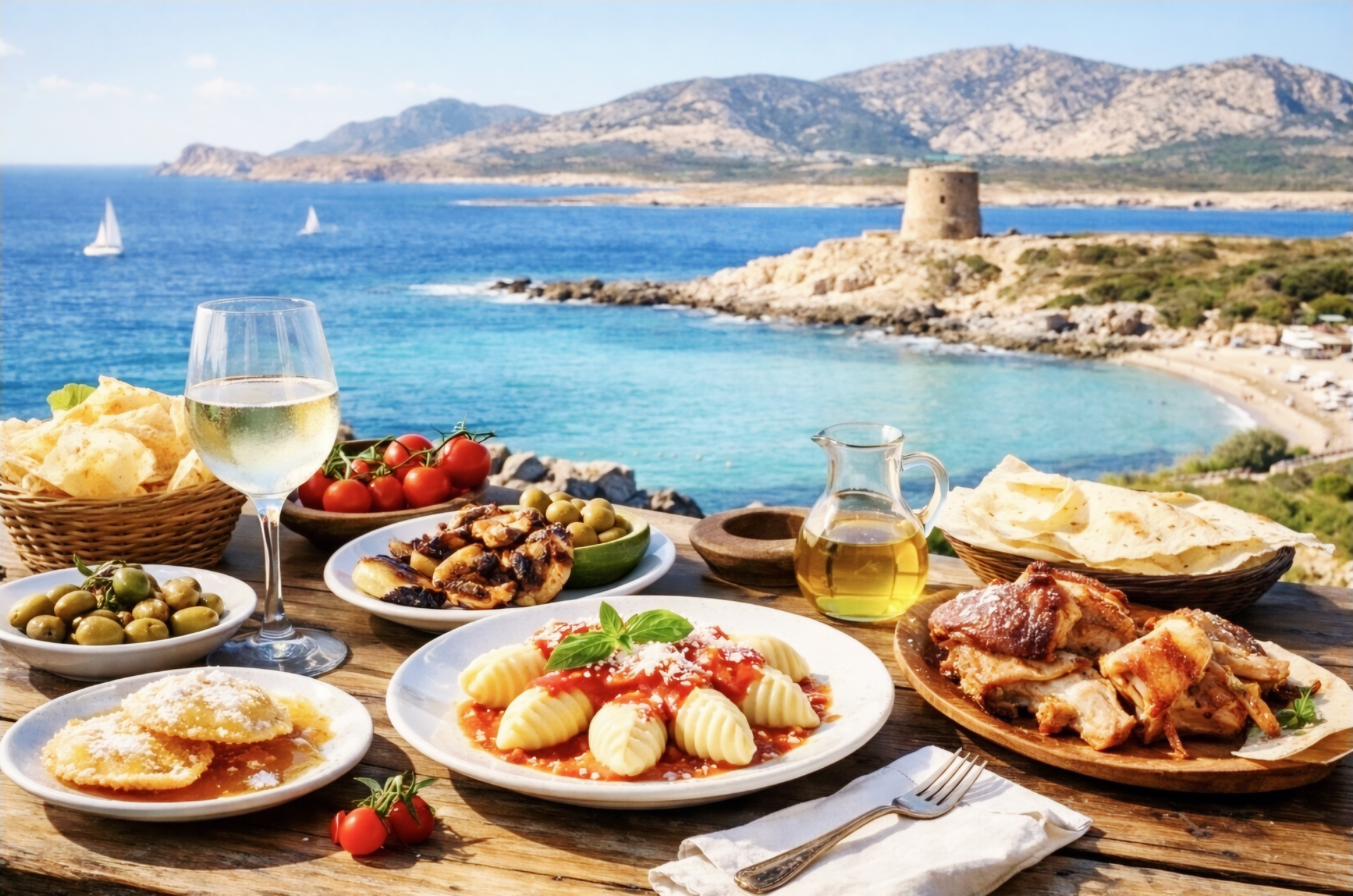
Here are the five local dishes that'll turn your Sardinia holiday into a full-blown food pilgrimage.
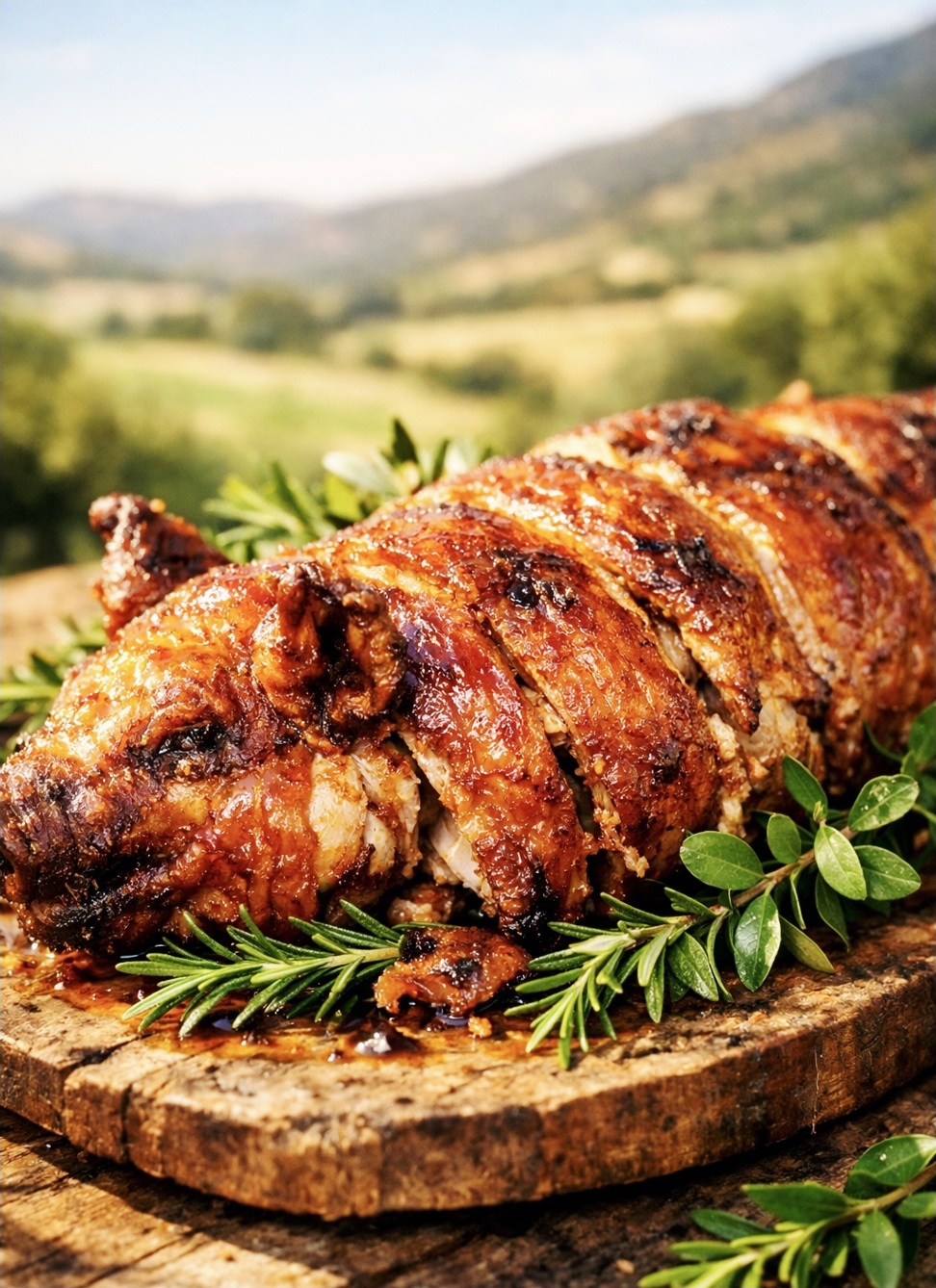
If there's one dish that defines Sardinian food culture, it's porcheddu, slow-roasted suckling pig that's been the centerpiece of island celebrations since ancient Nuragic times. This isn't your average Sunday roast. We're talking about a whole suckling pig, seasoned with nothing but salt and local herbs like myrtle and rosemary, then roasted on a spit over burning wood until the skin crackles like glass.
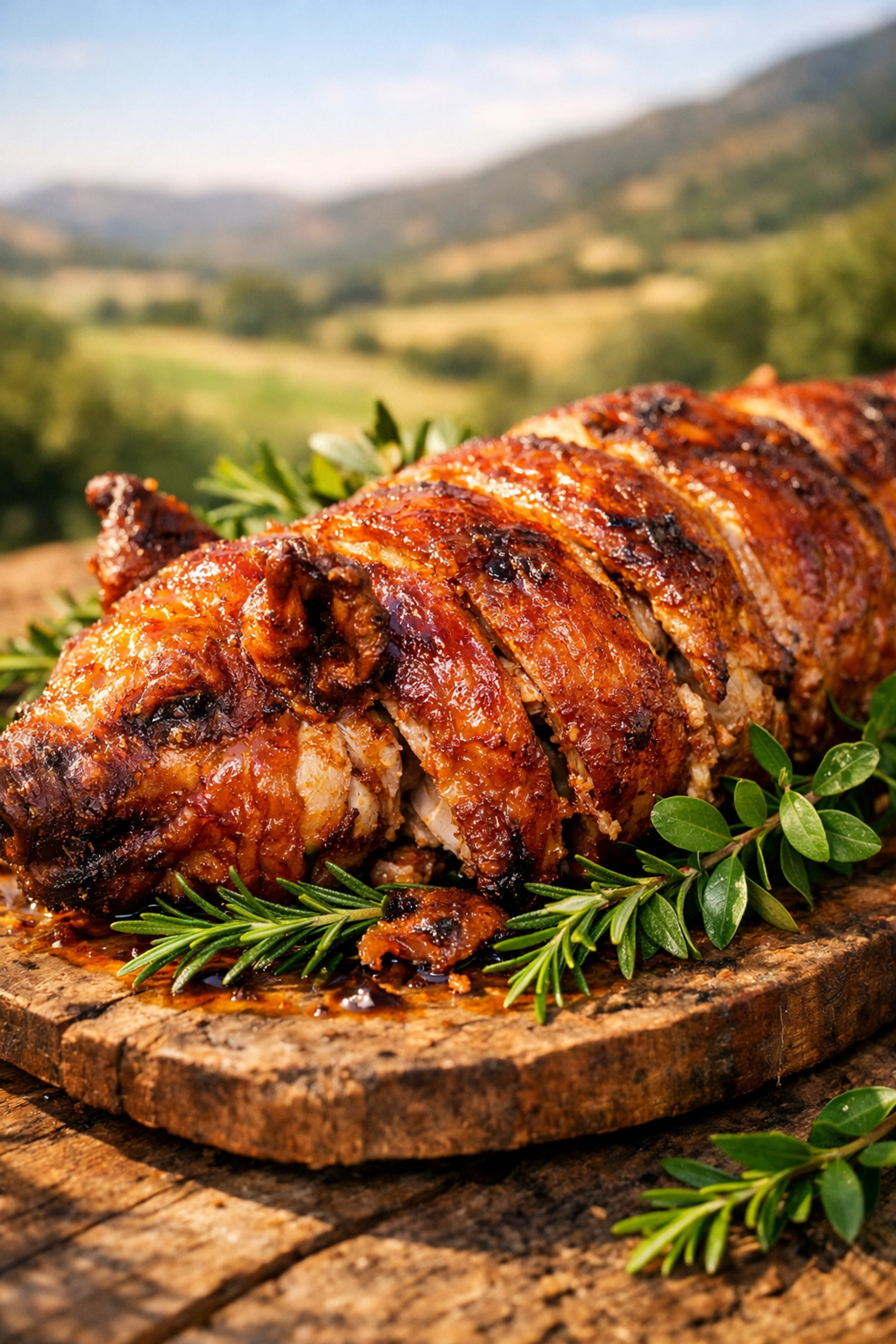
Traditionally, porcheddu was prepared by shepherds in the mountains to mark harvests, religious festivals, and big family gatherings. Today, you'll find it at village festivals, family-run restaurants, and, if you're lucky, at agriturismo experiences where local farmers invite you to join the feast.
The meat is ridiculously tender, with a flavor that's smoky, herbal, and completely addictive. It's usually served with nothing more than fresh pane carasau (we'll get to that) and local red wine. Simple, rustic, perfect.
Pro tip: If you're staying in a villa in the North West near Alghero or Bosa, ask your host about booking a porcheddu dinner experience with a local family. It's the kind of memory you'll bore your friends with for years.
Forget carbonara and cacio e pepe for a minute. The most famous pasta in Sardinia is malloreddus, little ridged semolina shells that look like tiny ribbed seashells. You'll also hear them called "Sardinian gnocchetti," though they're nothing like the fluffy potato gnocchi you get on the mainland.
The classic way to eat malloreddus is alla Campidanese, tossed in a rich ragù made with pork sausage, tomato, wild fennel, and Vernaccia wine (a crisp local white), then buried under a mountain of grated pecorino cheese. It's hearty, bold, and unapologetically Sardinian.
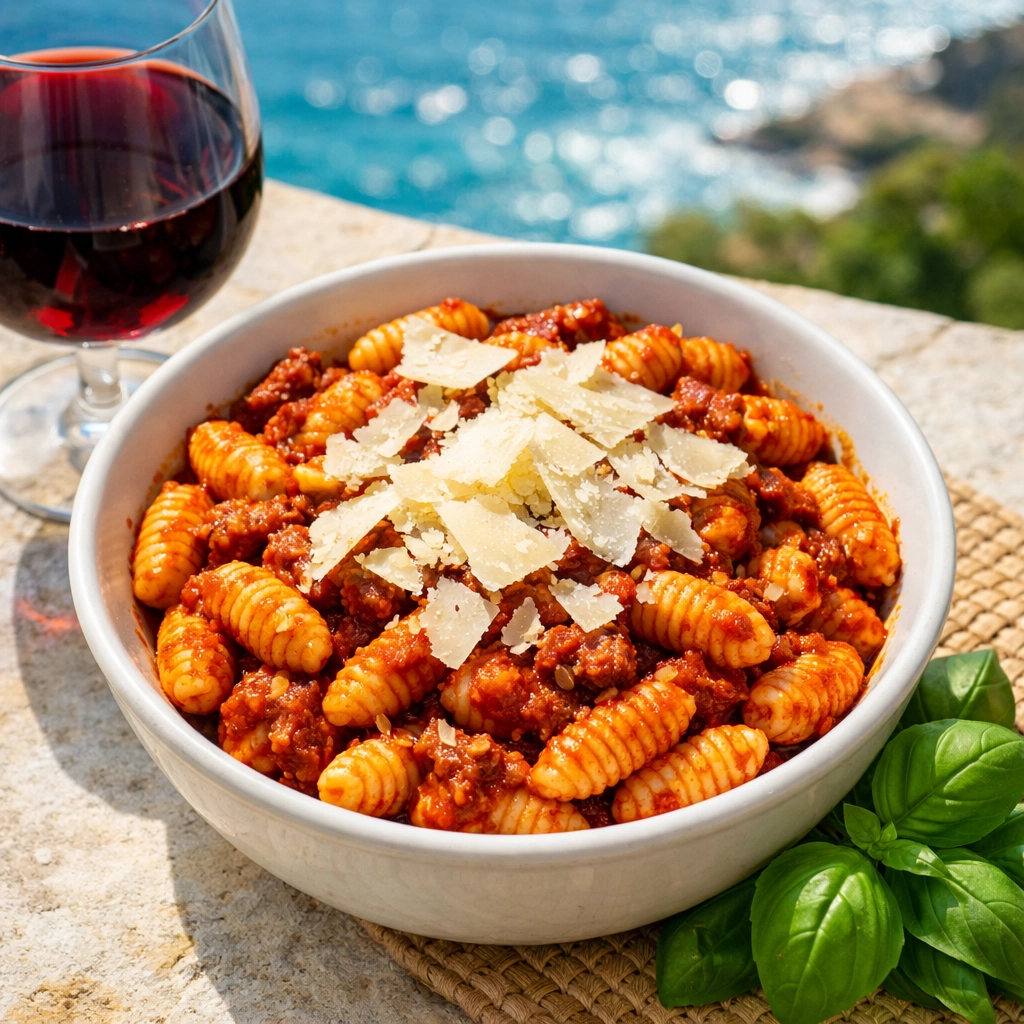
Historically, malloreddus was reserved for weddings and special occasions, a dish that celebrated abundance and community. Today, you'll find it on every restaurant menu across the island, but the best versions are still the ones made by hand.
And here's where that villa kitchen comes in: most local markets and specialty shops sell fresh or dried malloreddus, along with jars of proper Sardinian sausage ragù. Grab a bottle of Cannonau (Sardinian red wine), some pecorino, and you've got yourself an authentic feast without leaving your terrace.
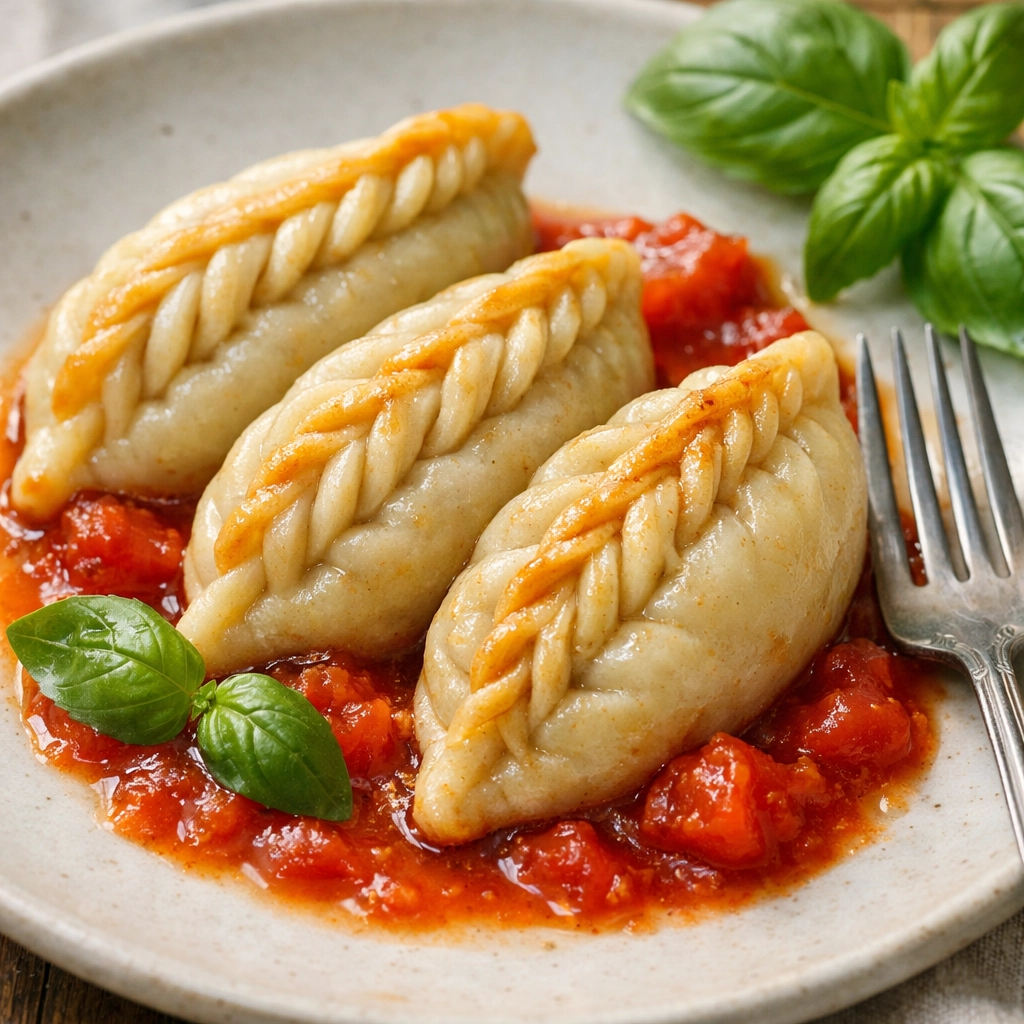
If malloreddus is Sardinia's everyday pasta, culurgiones are the show-stoppers. These intricate ravioli-like parcels are stuffed with mashed potatoes, pecorino cheese, mint, and garlic, then sealed using a traditional crimping technique called sa spighitta, which creates a beautiful pattern that looks like a spike of wheat.
The symbolism isn't accidental. The wheat-like shape represents wealth and abundance, a nod to Sardinia's agricultural roots. Each culurgione is a tiny edible sculpture, and the best part? They're usually served with the simplest sauce imaginable, fresh tomato and basil, so the delicate filling can shine.
You'll find culurgiones all over the island, but they're especially popular in the Ogliastra region on the east coast. If you're exploring the North East or Costa Smeralda, look for restaurants that specialize in traditional dishes rather than tourist-focused menus.
Kitchen hack: Some ambitious travelers buy frozen culurgiones from local shops and cook them up in their villa. Just don't attempt to hand-crimp them yourself unless you've got serious pasta skills and a few hours to spare.
Now we get to the wildcard: seadas, a dessert that sounds completely bonkers on paper but somehow becomes one of the most memorable things you'll eat in Sardinia. Picture this: large fried pastry rounds stuffed with tangy pecorino cheese and lemon zest, then drizzled with warm strawberry-tree honey.
Savory cheese. Sweet honey. Fried dough. It shouldn't work. But it really does.
Seadas are crispy on the outside, gooey and warm on the inside, with a flavor profile that walks the line between dessert and something far more complex. The honey, ideally miele di corbezzolo from the strawberry tree, has a slightly bitter edge that balances the richness of the cheese. It's comfort food, but elevated.
You'll find seadas on dessert menus across Sardinia, often served as the grand finale to a big feast. Order one, share it, and prepare for a flavor experience that'll stay with you long after you've left the island.
Here's the thing about pane carasau: it doesn't look like much. Thin, flat, crispy rounds of semolina bread that look more like crackers than proper bread. But this humble flatbread is one of the most important staples in Sardinian cuisine, with a history that goes back centuries.
Pane carasau was originally made by shepherds who needed bread that could last for weeks in the mountains without going stale. The double-baking process (which gives it that signature crackle) meant it stayed fresh, light, and portable. Today, it's everywhere, served alongside porcheddu, broken over soups, drizzled with olive oil as an appetizer, or layered with tomato and egg in a dish called pane frattau.
The best pane carasau is handmade in small bakeries, especially in rural villages across the island. If you're staying in a villa, grab a few packets from a local shop. It's the perfect snack for beach days, hiking trips, or late-night wine sessions on your terrace.
Here's the real secret to experiencing Sardinian food culture: don't just eat at restaurants. Yes, go to the family-run trattorias and order the porcheddu. But also hit the local markets, browse the delis, and bring ingredients back to your villa.
Sardinia's food scene thrives on simplicity and quality ingredients: fresh pecorino, handmade pasta, local honey, wild herbs, Cannonau wine. When you've got a villa with a proper kitchen, you can shop like a local, cook what you want (or keep it simple with cheese, bread, and olive oil), and eat on your own schedule.
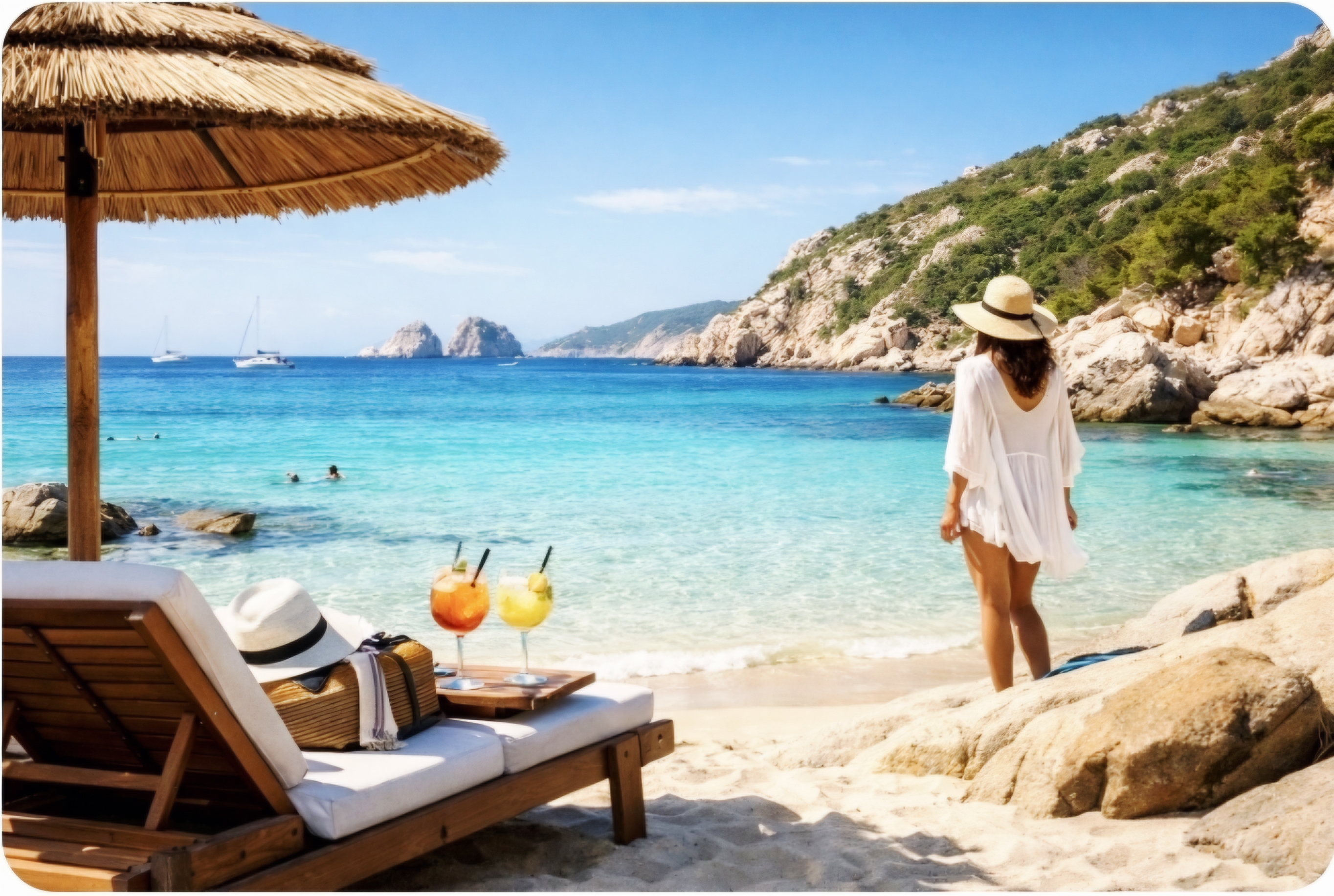
Plus, let's be honest: after a long day exploring hidden beaches or hiking coastal trails, there's something magical about coming back to your villa, throwing together a simple Sardinian feast, and eating it on the terrace as the sun sets over the Mediterranean.
Ready to plan your 2027 Sardinia food adventure? Browse our collection of villas and apartments across Sardinia and find your perfect base for exploring the island's incredible culinary scene. Because the best things to do in Sardinia? At least half of them involve eating.